As the above-mentioned group has analyzed, pharmaceutical drugs are part of the therapies but not the final solution
Women who have had preeclampsia have three to four times the risk of high blood pressure and two times the risk for heart disease and stroke later in life, according to the Preeclampsia Foundation
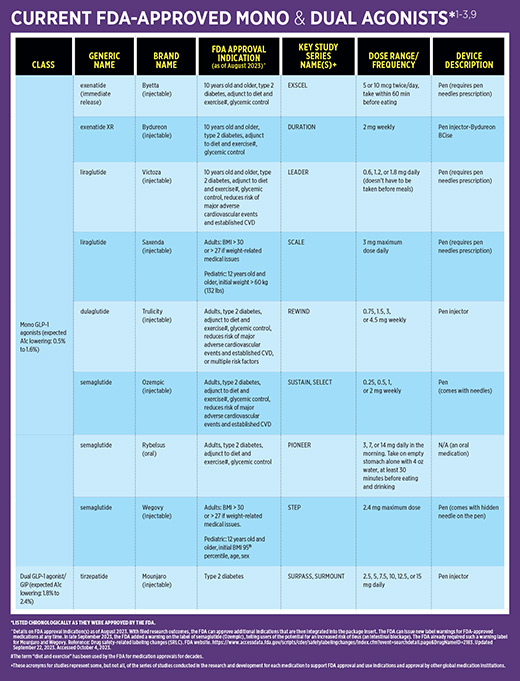
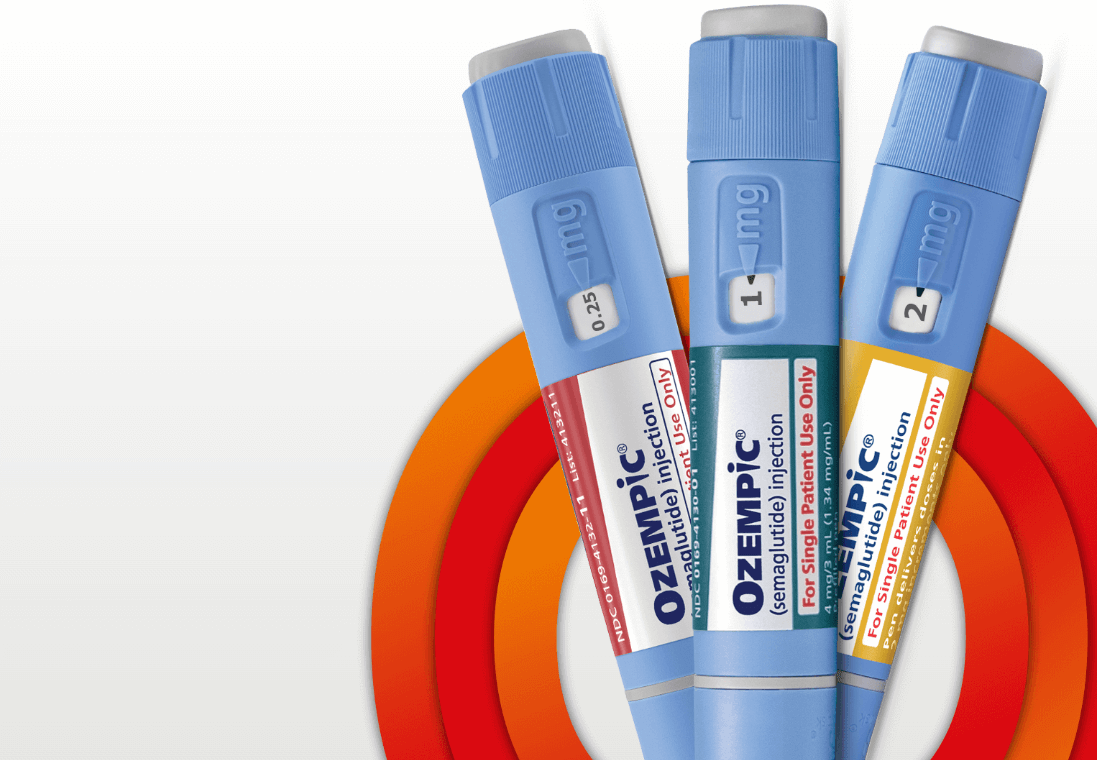
That said, dose adjustment may help: Slowing titration Staying at a lower dose longer Splitting the weekly dose (only under provider supervision) Peptides That May Help Certain peptides may complement GLP-1 therapy and relieve associated constipation: BPC-157 : Promotes gut healing, modulates inflammation, and may enhance motility KPV : Anti-inflammatory tripeptide that supports intestinal barrier and microbiota GHK-Cu : May regulate repair pathways and microbiome balance A Sample Integrative Protocol Here is a practical, foundational plan for anyone on a GLP-1 medication experiencing constipation: Morning: Warm water with lemon 1 scoop ProbioHealth 350 in water 2 caps ActiveMulti , 2 caps Multi-Mineral Optional: 1-2 caps EZ-Go if not having daily bowel movements Midday: 1-2 tsp ground flaxseed or chia in smoothie or meal Light walk after lunch Evening: Mag Citrate or vitamin C powder to bowel tolerance Wind-down yoga, breathing, or vagal stimulation practice Weekly: Assess progress Adjust supplements as needed Schedule a Micronutrient Lab review Final Thoughts: Constipation Is Common, But It Is Fixable GLP-1 medications are a major advancement in metabolic medicine

Use electrolyte formulas providing 1,000mg+ sodium per serving, taken 1-3 times daily depending on symptoms and activity level