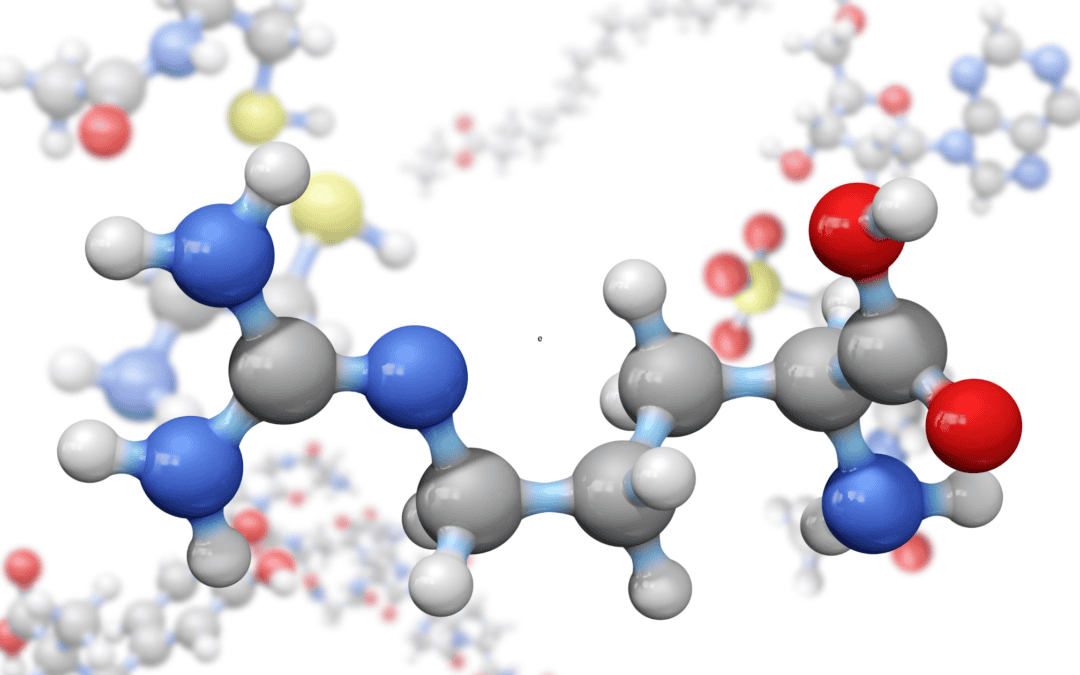
Notably, BPC 157 may scavenge reactive oxygen species due to its structure: it contains four carboxylic groups, and when they are reactivated (by glutathione or enzymes), the antioxidant activity is very high
Preclinical studies suggest involvement in: Angiogenesis Nitric oxide modulation Tendon and ligament repair Muscle regeneration Gastrointestinal protection Due to these findings, BPC-157 is often regarded in research circles as one of the most effective peptides for experimental tissue repair models
In research contexts, it is studied as a discrete pentadecapeptide with reproducible physicochemical properties, allowing its use in biochemical, cellular, and preclinical experimental systems
However, available studies do not demonstrate that exogenous administration of thymosin beta-4 induces or accelerates carcinogenesis, and the peptide has even shown anti-tumor effects in certain models