There have been no clinical studies establishing conclusive evidence of macrovascular risk reduction with glimepiride or any other anti-diabetic drug
In high doses, the most serious adverse effect is a dose-dependent, potentially fatal hepatic necrosis
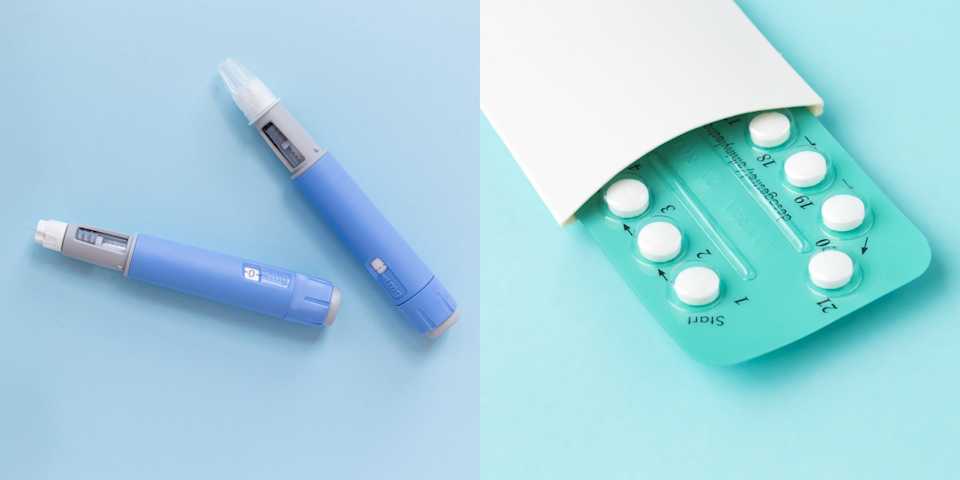
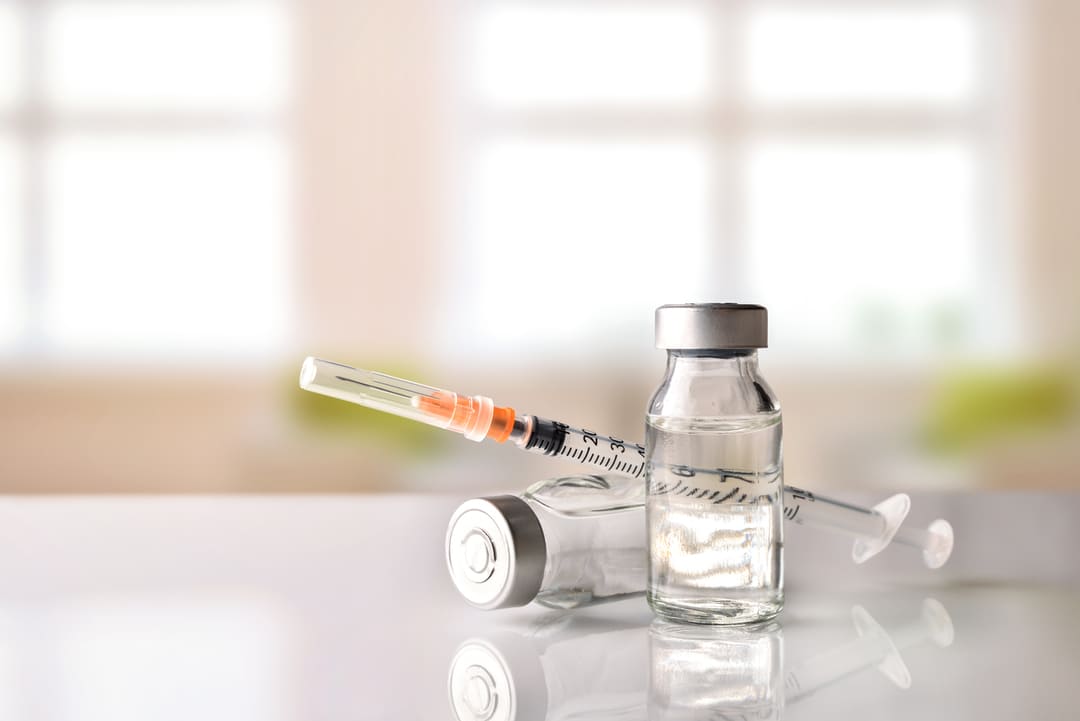
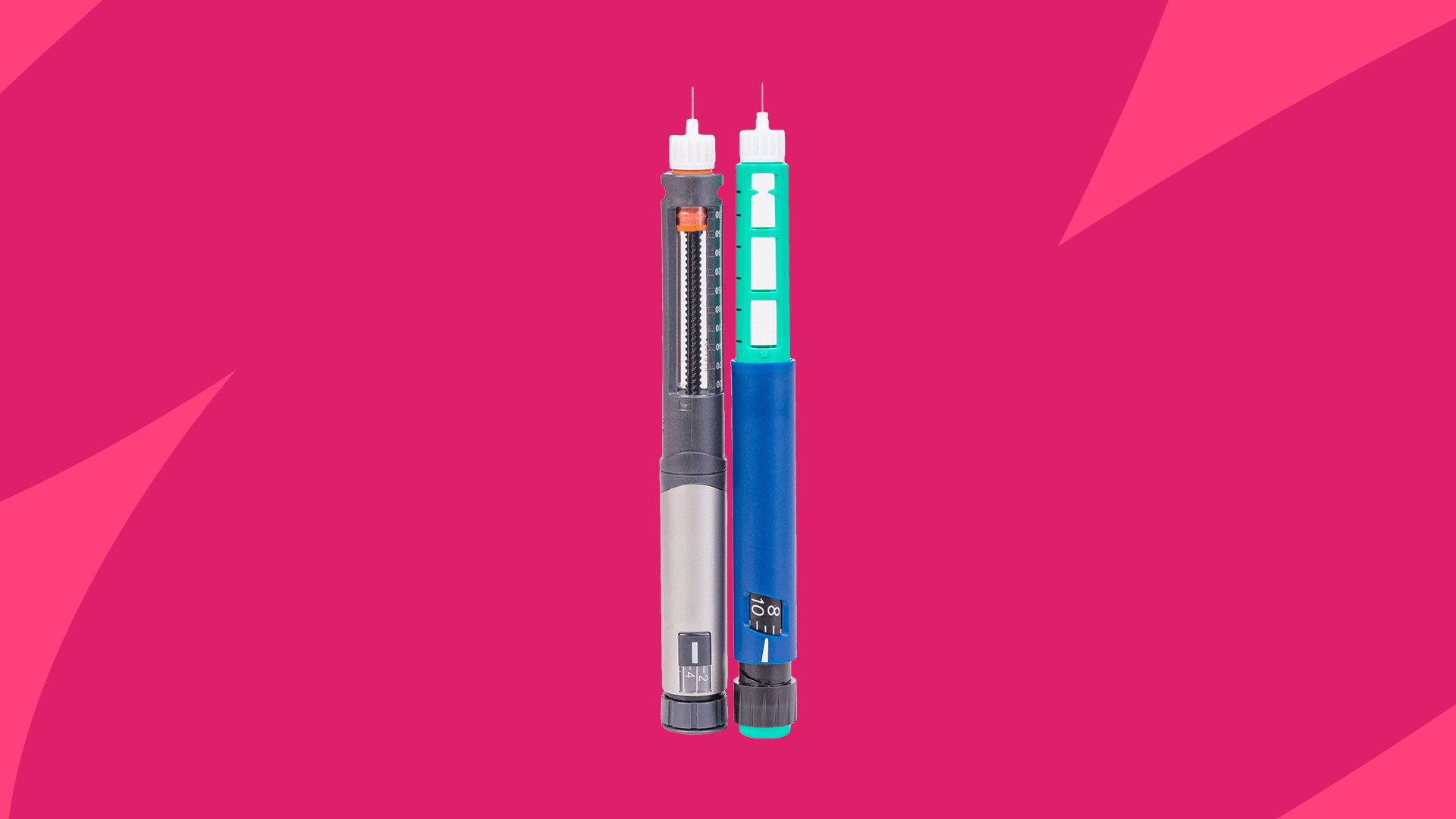
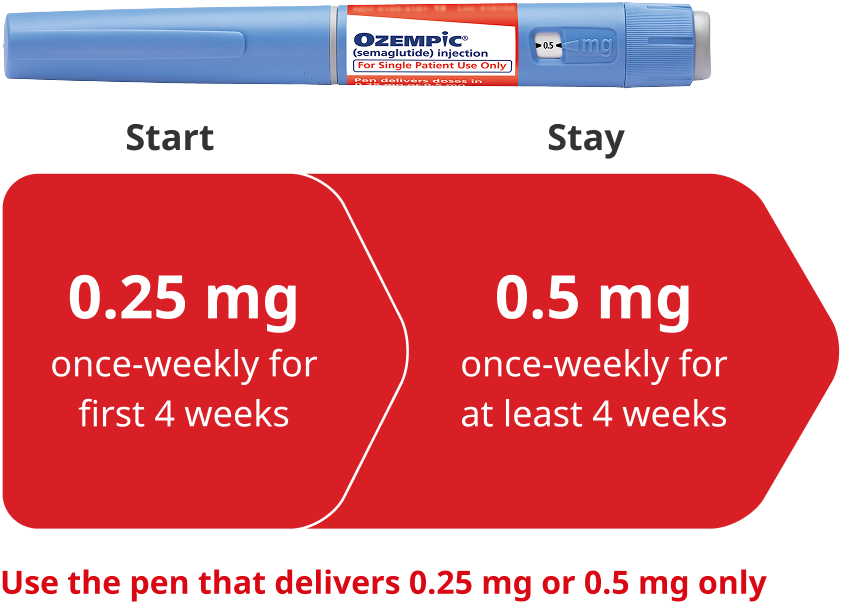
Precise Dose Control GLP-1 therapies require highly accurate dosing to maintain therapeutic effectiveness

or rapid heartbeat. Optic nerve damage in people with certain hereditary eye disorders (e.g., Lebers optic neuropathy). Worsening of gout or high uric acid levels. Elevated homocysteine levels, which may increase cardiovascular risk in susceptible individuals.Who should not use Lipo-C: Do not use Lipo-C if you are allergic to methionine, inositol, choline, any B-vitamin, or any other component of the formulation. Do not use Lipo-C if you have severe liver disease, chronic kidney disease, active peptic ulcer disease, or a history of Lebers optic neuropathy. Do not use Lipo-C if you are pregnant or breastfeeding.Before starting Lipo-C, tell your healthcare provider if you have any other medical conditions, including if you: Have or have had problems with your liver or kidneys. Have cardiovascular disease, high cholesterol, or elevated homocysteine levels. Have gout, hyperuricemia, or a history of kidney stones. Have pernicious anemia or folate deficiency. Are taking prescription medications, over-the-counter medicines, vitamins, or herbal supplements.Serious side effects can occur with Lipo-C